

Best Condition Grading for Vintage Media: A 2026 Guide

Table of Contents
Understanding Condition Grading for Vintage Media
The Vinyl Record Grading Scale Explained
Mint to Near Mint: What Collectors Mean
Very Fine, Fine, and Good: The Middle Ground
Fair and Poor: Heavily Used Media
How to Grade Vinyl Records: A Step-by-Step Inspection
Examining Surfaces for Scratches and Wear
Checking Centering and Print Defects
Assessing Corners, Edges, and Warping
Record Sleeve Grading: Separating Media from Packaging
Why Sleeve Condition Matters for Value
Identifying Damage: Seam Splits, Foxing, and Fading
Vinyl Record Grading Checklist: What to Inspect Before You Buy or Sell
Pre-Inspection Preparation
The Complete Inspection Sequence
Grading Different Vintage Media: CDs, Cassettes, and Beyond
Compact Discs: Surface Defects and Playability
Cassette Tapes and 8-Track Media: Tape Condition and Oxide Shedding
VHS, DVD, and Video Media Grading
Raw Versus Professionally Graded: When to Invest in Third-Party Assessment
How Age and Restoration Affect Grading Decisions
Frequently Asked Questions
Last Updated: October 17, 2026
Understanding Condition Grading for Vintage Media
The best condition grading for vintage media is the systematic evaluation of a record, tape, CD, or video's physical state to determine playability, preservation quality, and market value.
The challenge most collectors face is inconsistency: one seller's "near mint" record arrives scratched, another's "very fine" cassette sheds oxide.
Condition is the second-most important factor in collectible value after rarity: a first pressing in mint condition commands premium prices, while the same pressing in good condition sells for a fraction.
The Vinyl Record Grading Scale Explained
The vinyl record grading scale runs from mint at the top to poor at the bottom: mint, near mint, very fine, fine, good, fair, and poor.
Mint to Near Mint: What Collectors Mean
Mint condition means the record has never been played, still sealed in its original shrink wrap, or opened but unplayed with no visible signs of handling.
Near mint describes records that appear unplayed or played only a handful of times.
A near mint pressing of a classic album is still investment-grade to serious collectors.
Pro Tip When evaluating for near mint, use a bright LED light angled across the vinyl surface. Hairline marks that only appear under this intense lighting don't necessarily drop the grade, they're normal for records that have been handled, even minimally.
Very Fine, Fine, and Good: The Middle Ground
Very fine condition shows light wear from careful play over several years.
Fine condition reflects moderate play. Scratches are more noticeable and may produce audible pops or crackles during quieter passages.
Good condition indicates heavy play. The vinyl displays numerous scratches visible even under casual inspection, with audible surface noise throughout playback.
These middle grades represent the bulk of the used vinyl market.
Watch Out Surface noise in fine or good condition records isn't always permanent damage. Dust, static, or residue can be cleaned away, sometimes improving playback noticeably. However, scratches that produce clicks or pops indicate actual groove damage that cleaning won't fix.
Fair and Poor: Heavily Used Media
Fair condition means the record is still playable but shows significant damage: deep scratches everywhere, surface noise dominating quieter sections, and possible slight warping that affects tracking.
Poor condition indicates the record is barely playable or unplayable.
Most collectors draw a line at fair condition. Poor records typically aren't worth purchasing unless the title is extremely rare.
How to Grade Vinyl Records: A Step-by-Step Inspection
Achieving the best condition grading for vintage media requires a systematic approach and proper lighting. Rush the process and you'll misgrade consistently; take your time and you'll develop reliable judgment.

Examining Surfaces for Scratches and Wear
Start in a well-lit room with a bright LED or halogen light.
Look for three types of marks: hairlines (barely visible, no sound impact), light scratches (visible but shallow, minimal playback impact), and deep scratches (audible pops or crackles).
Wear patterns tell a story.
Check the label area too: scuffing around the label hole suggests rough handling, and label wear, fading, or peeling affects visual appeal.
Checking Centering and Print Defects
Centering refers to how precisely the vinyl is pressed around the spindle hole.
To check, place the record on a turntable and watch the groove spiral rotate.
Print defects on the label or jacket are separate from vinyl condition but affect overall grade. Look for misaligned printing, ink smudges, color variations, or fuzzy or incomplete text.
Assessing Corners, Edges, and Warping
Examine all four corners of the record and jacket for rounding or creasing.
Run a finger gently along the vinyl's edge. Smooth edges indicate careful storage; rough or chipped edges suggest upright storage without support or careless handling.
Check for warping by placing the record on a flat surface and viewing its profile from the side.
Key Takeaway The most common grading mistake is overestimating condition based on how a record sounds. A record can sound clean yet show visible wear under proper lighting. Conversely, a visually worn record might play better than expected if the damage is superficial. Grade what you see, not what you hear.
Record Sleeve Grading: Separating Media from Packaging
Record sleeve grading is the assessment of the paper jacket, cardboard outer sleeve, and any inserts (lyric sheets, posters, etc.) that accompany the vinyl. Many collectors grade the record and sleeve separately because their conditions often differ significantly.
Why Sleeve Condition Matters for Value
A mint record in a poor jacket sells for substantially less than the same record in a mint jacket. Collectors value complete, well-preserved packages.
Sleeve condition affects perceived value even more than it affects function. A record plays identically whether its jacket is mint or fair.
For rare pressings, original sleeves are essential.
Identifying Damage: Seam Splits, Foxing, and Fading
Seam splits occur where the jacket was glued together.
Foxing refers to brown or tan staining caused by acid in the paper reacting with moisture and age.
Fading happens when sleeve artwork loses color due to light exposure or age.
Other sleeve damage includes water stains, creases, tears, writing or stickers, mold or mildew, and missing pieces.
Vinyl Record Grading Checklist: What to Inspect Before You Buy or Sell
Use this checklist as your systematic inspection framework. Following this sequence ensures you evaluate every relevant factor and arrive at consistent grades.
Pre-Inspection Preparation
Before you begin, gather your tools. You need bright LED lighting, a magnifying glass or jeweler's loupe for detail work, and a clean, lint-free cloth.
Clean your hands and ensure your work surface is clean and dust-free.
Set aside adequate time. Rushing through inspection leads to missed details and misgrading. Budget at least 10-15 minutes per record for thorough evaluation.
The Complete Inspection Sequence
Inspection Element | What to Check | Grading Impact |
Surface scratches | Hairlines, light, deep; distribution; radial vs. concentric patterns | Primary factor; heavy scratching drops grade significantly |
Centering | Groove alignment; spindle hole offset | Minor factor; noted but rarely drops grade alone |
Warping | Flat storage test; tracking impact | Moderate factor; severe warping affects playability |
Edges | Chips, roughness, smoothness | Minor factor; noted in detailed assessment |
Corners | Rounding, creasing, sharpness | Minor factor; typical on used records |
Label condition | Scuffing, peeling, fading | Minor factor; affects appearance more than function |
Jacket seams | Splits, separations, glue integrity | Significant factor; major splits reduce value |
Sleeve artwork | Fading, creasing, tears, stains | Significant factor; rare sleeves add value |
Foxing and staining | Discoloration, water damage, mold signs | Moderate factor; indicates storage conditions |
Inserts and extras | Completeness of lyric sheets, posters, stickers | Moderate factor; missing items reduce value |
Start with the vinyl itself under bright light. Rotate the record slowly, examining both sides systematically.
Move to the jacket next. Examine all surfaces for creasing, tears, and staining.
Finally, check for inserts. Count them, examine their condition, and note any damage or missing pieces.
Document your findings in writing or photos.
Grading Different Vintage Media: CDs, Cassettes, and Beyond
Vinyl represents only one segment of the vintage media market. CDs, cassettes, 8-track tapes, VHS, and DVDs each have distinct grading criteria reflecting their different physical properties and failure modes.
Compact Discs: Surface Defects and Playability
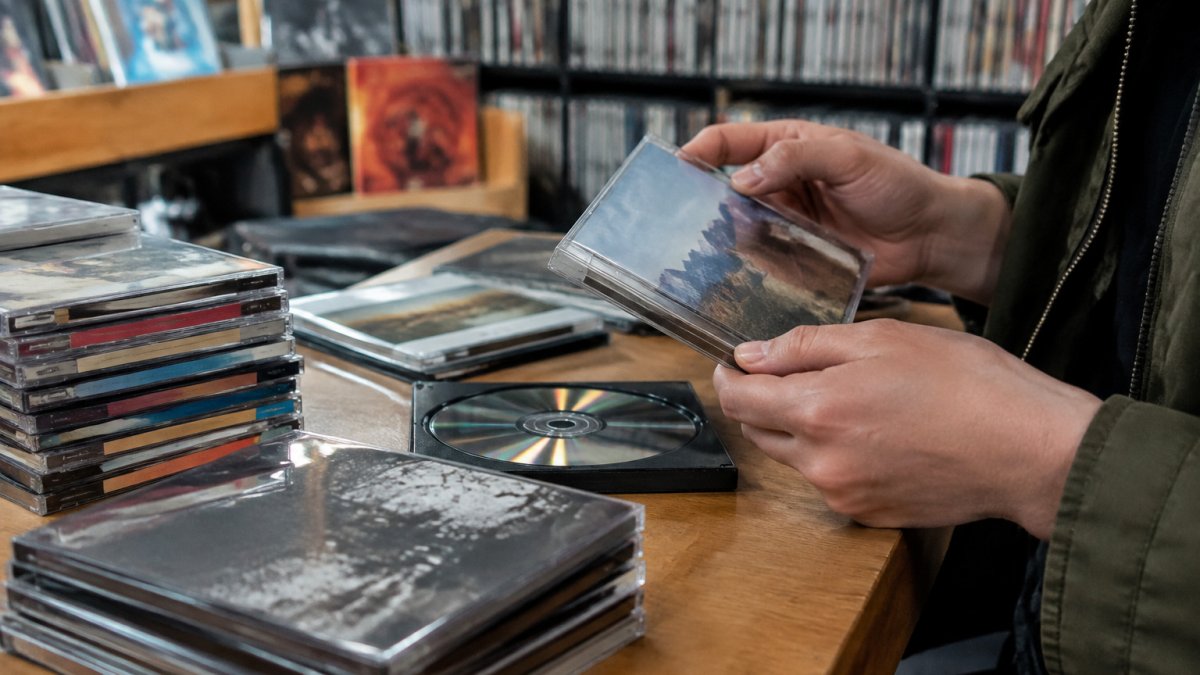
CDs fail through different mechanisms than vinyl.
Examine the data side (usually silver or holographic) under bright light for scratches, pits, and discoloration.
Test playability when possible. A CD that sounds clean despite visible scratches is more valuable than one with minor scratches that produce errors.
Jewel cases and inserts follow similar grading principles as vinyl jackets. Cracked cases, faded artwork, and missing booklets reduce value.
Cassette Tapes and 8-Track Media: Tape Condition and Oxide Shedding
Inspect the tape by carefully pulling a small section from the cassette and examining it under light.
Check for tape breakage, warping, or stuck sections.
Examine the cassette housing for cracks, missing screws, or damage to the reels.
8-track tapes face similar concerns but with additional considerations. The 8-track format is obsolete, making playback more challenging.
VHS, DVD, and Video Media Grading
Video media grading emphasizes playability and visual/audio quality.
Inspect the tape physically for mold, mildew, or visible damage to the housing.
Test playback when possible.
DVD condition grading is similar to CD grading. Examine the data side for scratches and pits.
VHS and DVD cases often show more wear than the media itself.
Raw Versus Professionally Graded: When to Invest in Third-Party Assessment
Professional grading adds credibility and protection. A graded record commands premium prices because buyers trust the third-party assessment.
However, professional grading costs money, depending on the service and turnaround time. For common records worth under $50, professional grading doesn't justify the expense.
Consider professional grading for records meeting these criteria: rare pressings, high-value albums, records you plan to sell at premium prices, or records you're holding long-term as investments.
Best For Serious collectors holding rare pressings for investment or resale should use professional grading. Casual collectors buying and selling common records can grade raw and save the grading fees.
How Age and Restoration Affect Grading Decisions
Age affects grading expectations.
When grading vintage records, note the release year and adjust expectations accordingly.
Restoration refers to cleaning, repair, or refinishing that improves appearance or playability.
Always disclose restoration work when selling.
Search our daily-updated catalog for the specific titles you're seeking, and review our actual photos to verify condition yourself.
Frequently Asked Questions
What is the difference between Near Mint and Very Good Plus condition?
Near Mint describes vinyl records with minimal signs of play, perhaps one or two light surface marks visible only under bright light, with no impact on sound. Very Good Plus shows more obvious wear: light scratches visible in normal light, possible light warping, and minor sleeve damage. The grade difference directly affects resale value.
How do you grade the condition of a record sleeve separately from the vinyl?
Sleeves are graded independently because condition doesn't always match. Examine the front and back covers for creases, seam splits, foxing (brown spots), and fading. Check the spine for wear and the interior for tears or stains. A record in Mint condition housed in a Fair sleeve might sell for less than one in Very Good condition with a Near Mint sleeve, since collectors value the complete package. Always assess and report both conditions separately.
Do scratches always affect a record's grade?
Not all scratches lower the grade equally. Light surface marks that don't affect playback are normal wear expected in Very Fine or Fine grades. Deep scratches that cause audible pops or skips significantly impact the grade, potentially dropping it to Good or Fair. The key distinction: visual damage matters for grading aesthetics, but playability is what determines functional condition. When grading, note whether scratches are cosmetic or functional.
Should you clean a record before grading it?
Yes, but gently. Remove dust and surface debris with a soft brush or microfiber cloth so you can accurately assess the actual condition underneath. However, avoid aggressive cleaning or wet cleaning before grading, as this can mask or reveal defects inconsistently. Grade the record as it would be presented to a buyer after appropriate care, not in its dirty state or after restoration attempts that might alter its original character.
How does media condition affect a vintage record's value?
Condition is often the primary value driver for vintage records. A rare album in Mint condition can sell for a significantly higher price than the same pressing in Good condition. Rarity, pressing year, and original release status matter too, but condition determines whether collectors view a record as a playable copy or a collectible investment. Transparent condition reporting, with actual photos, builds buyer confidence and justifies fair pricing across platforms like Discogs.
What condition grading scale is best for vintage media?
The Goldmine Grading Standard (Mint, Near Mint, Very Fine, Fine, Good, Fair, Poor) is widely accepted for vinyl records and works well across CDs and cassettes too. It provides enough granularity to distinguish between lightly played and heavily used media while remaining simple enough for collectors to apply consistently. Some professional graders use numeric scales (1-10), but the Goldmine standard is most common in the collector community and on resale platforms.
How do you grade vintage CDs and cassette tapes?
CDs are graded like vinyl: inspect the playing surface for scratches, the label side for damage, and the case for cracks. Cassettes require checking the tape itself for oxide shedding (visible dark residue), the case for cracks, and the label for fading. Unlike vinyl, cassettes degrade chemically over time, so age affects expected condition more heavily. A 30-year-old cassette showing light oxide loss might still be considered Very Good, while the same condition on a modern cassette would be unexpected.
How to rate comic book condition?
Comic books use a 1-10 numeric scale (Mint, Near Mint, Very Fine, Fine, Very Good, Good, Fair, Poor, and variants). Grade the cover for creases, tears, and color fading; the spine for stress and tears; and the interior pages for brittleness and stains. Unlike vinyl, paper media are graded more strictly because damage accumulates and paper cannot be restored to original condition. Professional grading services like CGC provide consistency that raw grading cannot match for high-value books.
Search


Comments